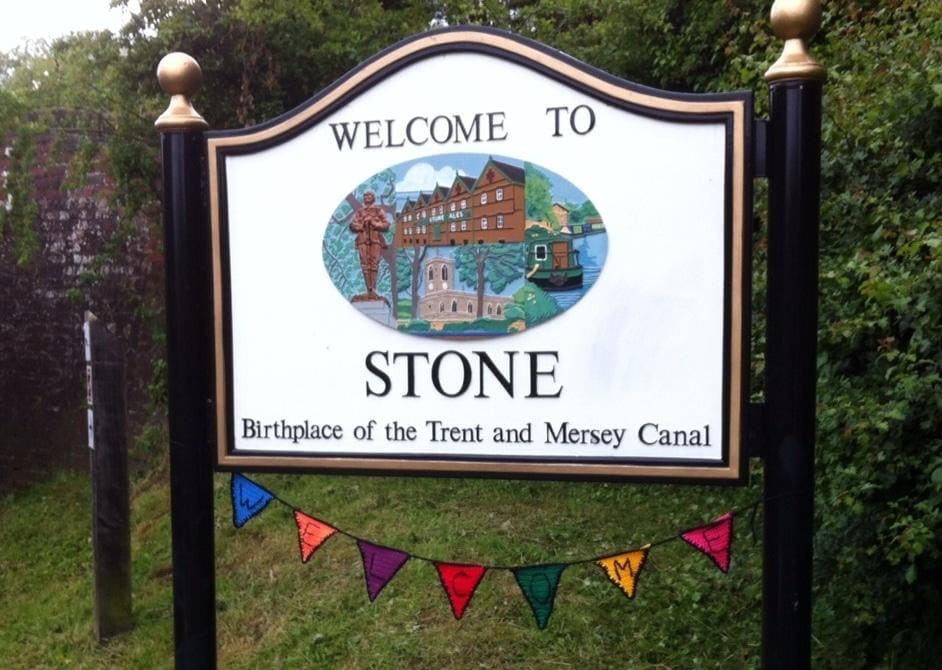
Homeowners in Stone with older properties face significantly higher buildings insurance premiums than those with modern houses, according to analysis of local insurance costs. Homes built before 1850 typically cost above £800 annually to insure, while new builds constructed after 2000 average around £280 per year.
The historic market town's architectural heritage — including Victorian terraces in Stonefield and Georgian canal-era buildings in the town centre — attracts residents seeking period character. However, insurance providers classify these older structures as non-standard risks, which directly drives up premiums.
Construction Methods and Moisture Risk
The primary reason for higher costs lies in how these buildings were constructed. Victorian and Georgian homes rely on solid brick or stone walls, unlike modern houses that use cavity walls designed to keep moisture out. Without modern damp-proofing barriers, older properties are far more vulnerable to rising damp, which can weaken timber floor joists and cause expensive structural decay over time.
Foundation Problems and Subsidence
Many pre-1900 buildings in Stone have shallow foundations that rest on upper soil layers rather than deep concrete bases. The clay soils in the area are prone to shrinkage during dry spells, creating movement that shallow foundations cannot tolerate. This increases the risk of subsidence — a concern that weighs heavily on insurers, as repairs require extensive underpinning work costing tens of thousands of pounds.
Flat Roofs and Water Damage
Victorian terraces often feature flat roofs added to rear extensions during past renovations to accommodate modern kitchens and bathrooms. Insurance providers view flat roofs as high-risk because they do not shed water as efficiently as pitched designs. Rainwater pooling on flat surfaces degrades roofing felt and creates a significant risk of leaks during heavy rainfall.
Specialist Repair Costs
Repairing period homes requires specialist craftsmanship that increases rebuild values. Damage to a Georgian building cannot be fixed with standard materials from a DIY store. Original timber sash windows and decorative features demand period-appropriate replacements, driving up overall repair and reconstruction costs that insurers must account for in their premiums.